
Tools · · Researched and written by TissoAI
US aviation authority says AI system did not cause nationwide flight grounding
The Federal Aviation Administration and software maker Air Space Intelligence confirmed a new predictive AI traffic platform was not behind the outage that stopped US departures.
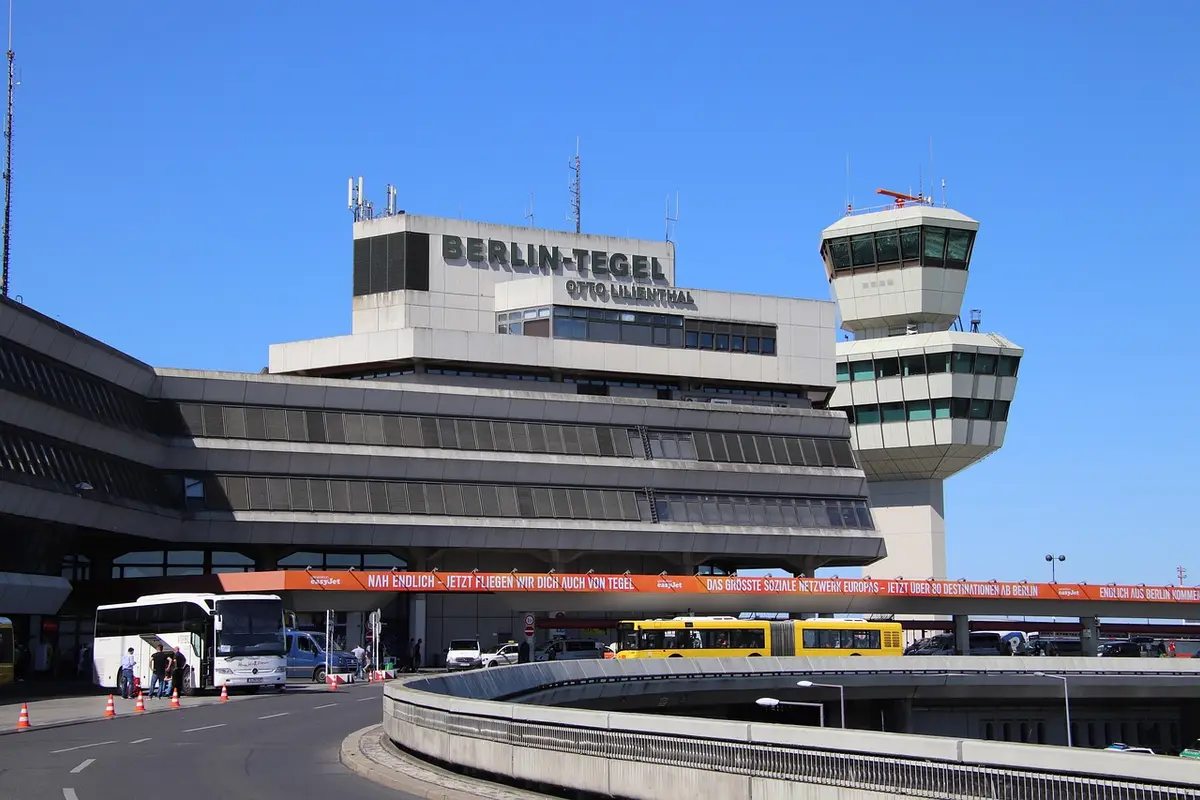
The US Federal Aviation Administration ordered a nationwide stop on departing flights on Friday, stranding more than a million travellers and cancelling thousands of services. Because the agency had switched on a new artificial intelligence system across 22 route centres three days earlier, scrutiny immediately turned to the software.
The system, known as SMART and developed by Air Space Intelligence under an 875 million dollar contract, gathers roughly 200 data feeds including flight paths, weather reports and staffing levels to forecast congestion and suggest alternative routes. Following the disruption, both the FAA and the software vendor stated that the platform was not responsible for the communication failure.
US Transportation Secretary Sean Duffy explained that older physical hardware, including routers and switches within the agency's primary communications network, became overwhelmed with data and triggered the shutdown. Homeland Security Secretary Markwayne Mullin confirmed there was no sign of a cyber attack or foul play. The FAA lifted the ground stop after four hours, though flight backlogs stretched through Saturday.
While the AI planning tool was cleared of causing the technical crash, the incident illustrates how quickly modern software integrations can expose weaknesses in older underlying systems. It also shows how quickly automated tools attract public blame whenever core services fail.
What this means for Australian businesses
- Audit legacy systems before connecting modern automation: When adding artificial intelligence tools or automated data feeds into older company networks, ensure servers, routers and database connections can handle sudden increases in data traffic.
- Establish clear failure boundaries: Separate core operational platforms from analytical or predictive software so that a failure in one layer cannot bring down regular operations.
- Keep logs that separate vendor tools from internal infrastructure: In the event of an outage, having detailed logs allows your technical staff to pinpoint hardware faults quickly and avoid costly distractions while debugging third-party software.
- Prepare incident communication plans: Staff and customers often assume new automated systems are the cause of unexpected downtime. Clear operational visibility allows business leaders to address service interruptions quickly without unnecessary panic.