
Tools · · Researched and written by TissoAI
Siemens and Nvidia launch autonomous factory tools to automate production planning
Siemens and Nvidia have unveiled industrial AI tools at an electronics plant in Germany, using digital twins and software agents to cut engineering work by 85 per cent.
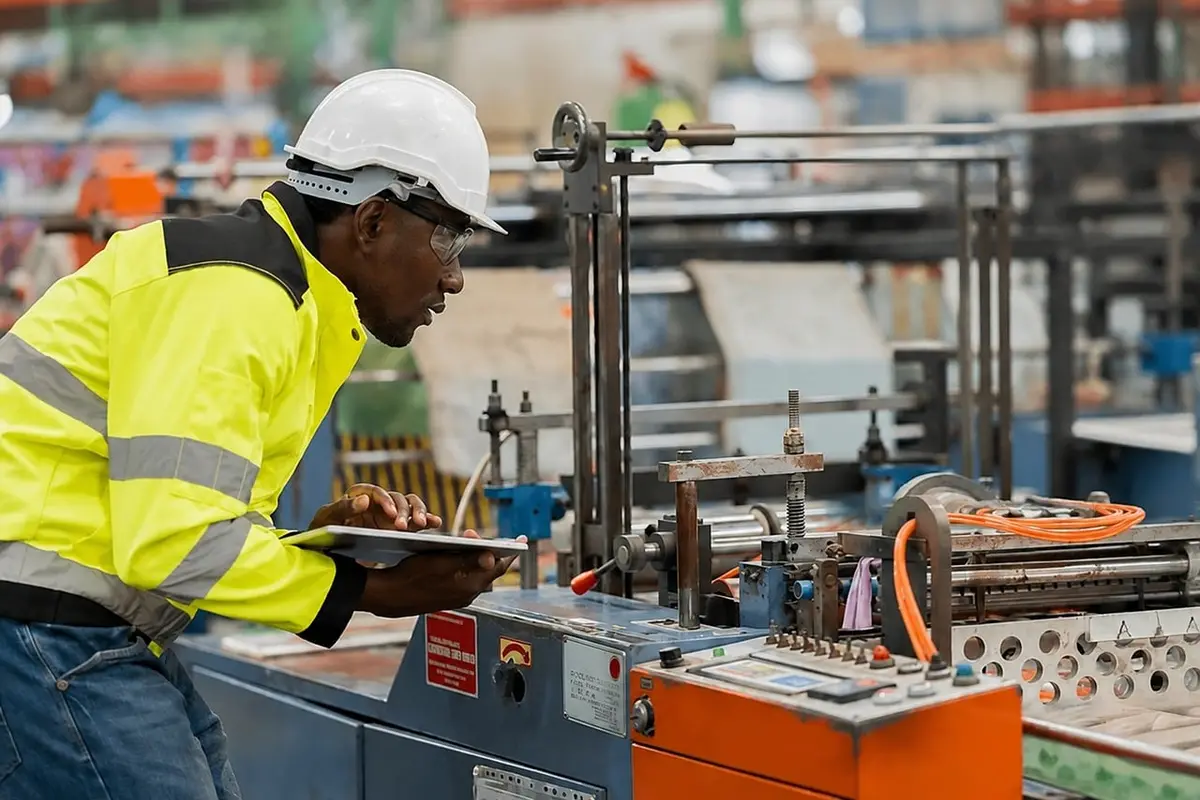
Photo: invisibleai on Pixabay
Siemens and Nvidia have showcased new industrial artificial intelligence systems operating on live factory lines at the Siemens electronics plant in Erlangen, Germany. The launch follows a joint development initiative announced in January, which aims to create autonomous manufacturing sites using simulated environments and software agents.
The technology combines computer vision, virtual factory models known as digital twins, and AI agents that handle operations on the shop floor. According to Siemens, preparing production lines virtually using simulated representations cuts engineering effort for new circuit board assemblies by up to 85 per cent. Inspection cameras can learn to spot assembly faults from synthetic images before any physical prototypes are built, speeding up production launches by up to 40 per cent.
Beyond assembly setup, Siemens is running AI agents that manage day-to-day factory schedules. When component deliveries run late or customer orders change, the software models different production schedules and picks the most cost-effective option. Siemens reported that this dynamic scheduling can reduce planning expenses by up to 20 per cent. The Erlangen site currently runs more than 100 active AI programs across quality checks, internal logistics, and equipment maintenance.
Siemens board member Cedrik Neike said at the event that manufacturers in high-wage economies need substantial productivity improvements each year to stay competitive. The company intends to raise automation levels across its production facilities from current levels of around 35 per cent to roughly 80 per cent using physical AI systems.
What this means for Australian businesses
While this rollout took place in a large German electronics plant, the shift from chatbots to physical workflow automation has direct lessons for local operators:
- Small manufacturers can test changes virtually before spending money on line retooling, reducing physical waste and downtime during product changes.
- Automated scheduling agents are becoming practical tools for managing parts shortages and fluctuating supplier lead times without constant manual spreadsheet updates.
- Quality control is moving toward automated optical inspection, allowing smaller producers to catch defects early using standard camera hardware paired with modern vision models.
- Local businesses facing high labour and energy costs can use software agents to run machinery more efficiently across multiple shifts without adding management overhead.