
Hardware · · Researched and written by TissoAI
Musk says SpaceX raised 40 billion dollars in debt for AI chips as neoclouds face squeeze
Elon Musk says SpaceX has secured 40 billion US dollars in debt financing for AI chips, while warning that debt-dependent cloud providers face widespread consolidation.
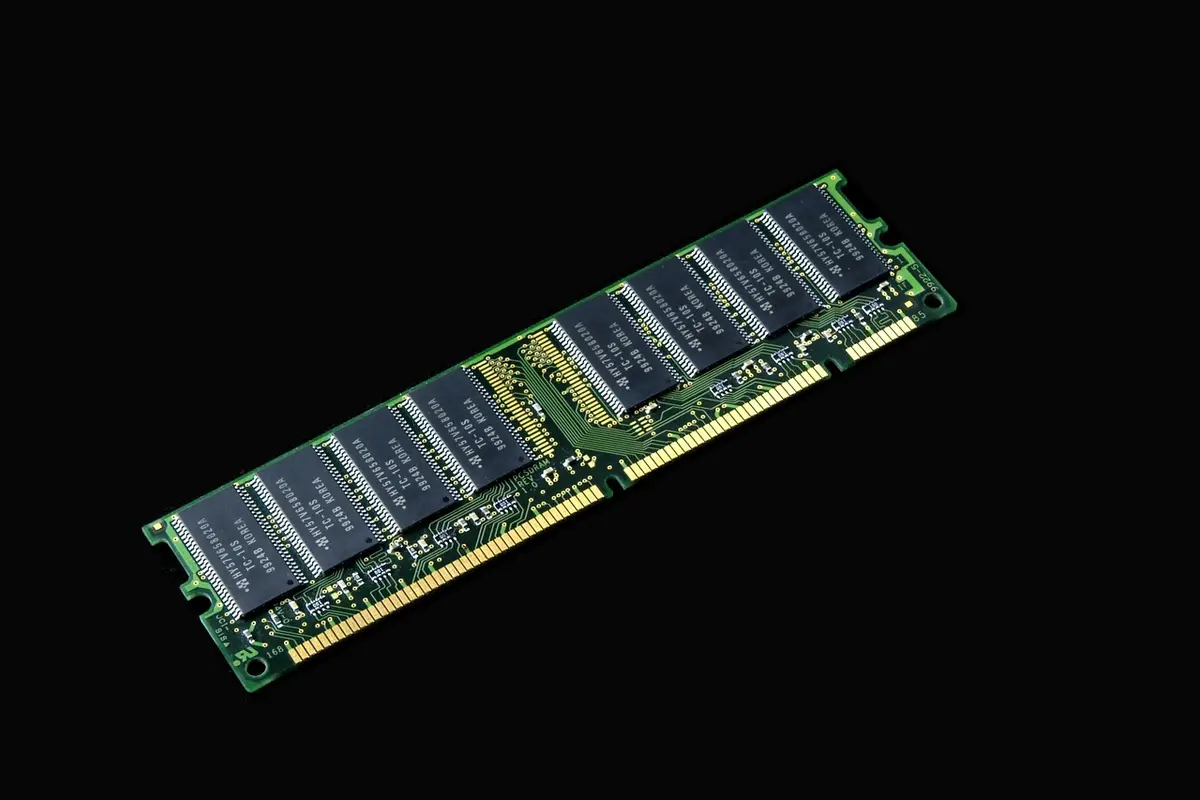
Photo: cliffsmith23 on Pixabay
Elon Musk announced that SpaceX has completed a 40 billion US dollar debt financing arrangement to purchase graphics processing units for artificial intelligence workloads. Writing on social media platform X on Sunday, Musk said the funds will go toward buying processors scheduled for delivery across the first and second quarters of 2027.
Musk noted that the borrowing consists mainly of callable debt, allowing the business to repay the principal early. He stated that the arrangement would not have a major bearing on the company's financial figures for the current quarter, pointing to steady cash flow from rocket launches and the Starlink satellite internet network, alongside an investment-grade credit profile, as reasons SpaceX was able to secure the funds.
Debt markets tighten for specialised cloud hosts
Alongside the financing news, Musk cautioned that lenders have pulled back sharply from specialised cloud computing providers, often known as neoclouds. These companies purchase large clusters of processors and lease computing power to AI developers and enterprise clients.
Musk said that over the past few weeks, credit markets have almost entirely cut off funding for companies that lack steady revenue streams outside of AI data centres. He predicted that more than 200 independent cloud hosts will face failure or forced consolidation, with only a small number surviving independently. He added that SpaceX has no intention of acquiring any struggling cloud hosts.
The comments follow broader investor caution regarding the economics of debt-funded data centre expansion. Research firm Gartner recently projected that more than 80 per cent of independent neocloud operators could cease operating on their own by 2030, citing a mismatch between the capital spent on infrastructure and the revenue generated from commercial AI demand.
What this means for Australian businesses
For Australian companies building or adopting software powered by machine learning, the health of compute providers matters behind the scenes.
- If your business uses niche AI host providers or Australian startups that rely on smaller offshore GPU clouds, ask your suppliers where their workloads actually run. Moving to providers with strong balance sheets reduces the risk of sudden service disruptions.
- The prospect of vendor failure or emergency takeovers means Australian businesses should remain flexible. Keep contracts short and ensure your workloads can transfer easily between different cloud platforms.
- As borrowing costs rise for compute providers, hardware hosting costs will flow downstream. Australian small businesses should plan for potential price revisions on heavy generative computing tools over the coming year.