
Business · · Researched and written by TissoAI
Google shares drop as heavy AI spending pushes cash flow into negative territory
Alphabet shares fell 10 per cent after quarterly earnings revealed a US$9 billion cash drain from data centre and AI investments, even as cloud revenue doubled.
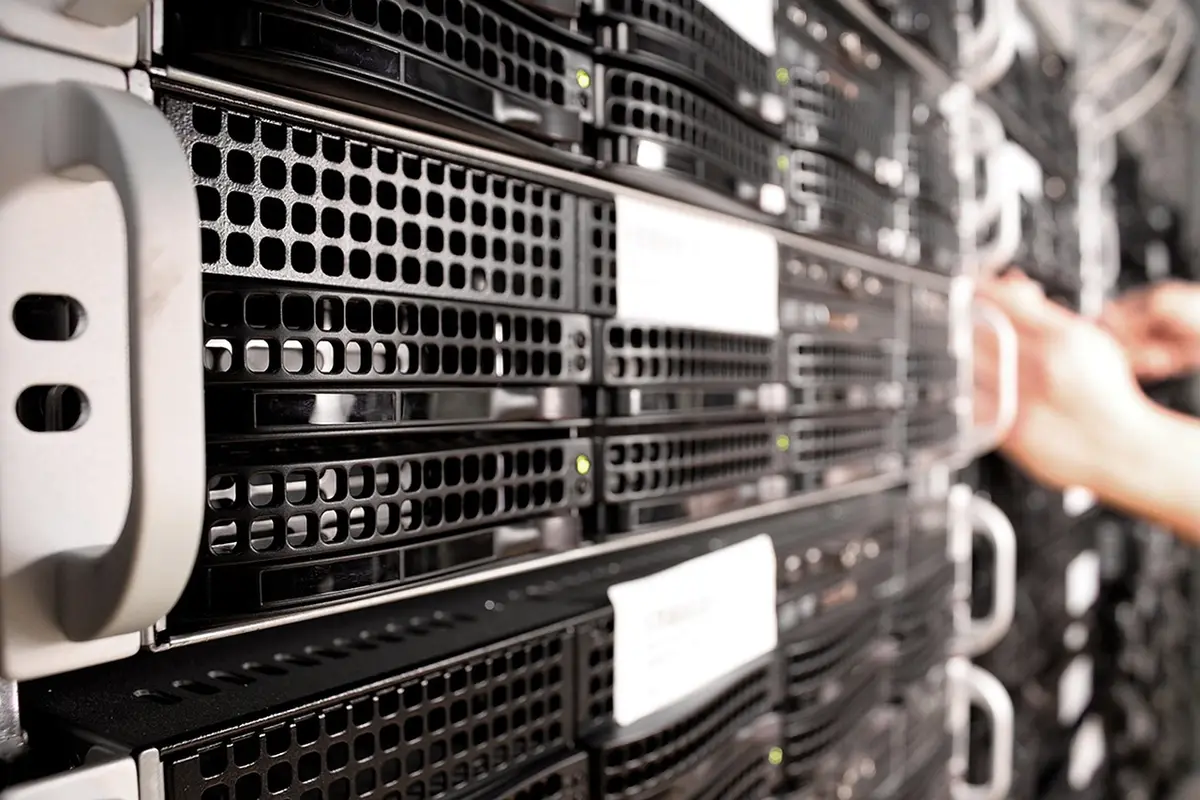
Photo: ColossusCloud on Pixabay
Alphabet shares fell more than 10 per cent in extended trading on Wednesday following quarterly results that revealed mounting financial pressure from its artificial intelligence investments. While the company saw strong demand for enterprise cloud computing, heavy spending on chips, servers and infrastructure drove free cash flow deep into negative territory.
The Google parent company reported negative free cash flow of US$9.07 billion for the quarter ended 30 September, widening from a US$5.9 billion drain in the prior quarter. Alphabet chief financial officer Anat Ashkenazi told investors that capital expenditure will increase further in 2027 to satisfy demand for compute capacity.
Total revenue climbed 25 per cent from a year earlier to US$127.6 billion, falling slightly short of analyst forecasts. Net income dropped 25 per cent to US$26.2 billion, weighed down by an US$8.7 billion loss on equity investments and rising infrastructure costs.
Cloud gains vs search slowdown
The earnings report highlighted contrasting fortunes across Google's main divisions. The enterprise cloud unit delivered strong growth, with revenue rising 103 per cent to US$30.7 billion and operating profit tripling to US$11.1 billion. The company attributed that expansion to strong uptake of AI infrastructure, including direct sales of its custom processing units.
Core advertising revenue told a different story. Advertising intake rose 11 per cent to US$82 billion, missing expectations. Growth in Google's main search business slipped to 12 per cent, down from 17 per cent in the prior quarter, raising concerns about commercial returns as AI answers take up more room on search results pages.
The results coincided with quarterly numbers from Microsoft, where cloud division Azure grew 48 per cent while maintaining positive cash flow. Across the industry, Alphabet, Microsoft, Amazon and Meta are projected to spend more than US$700 billion on AI infrastructure this year.
What this means for Australian businesses
For Australian companies relying on Google Workspace, cloud hosting or search advertising, these numbers point to several practical consequences.
Google will look to protect its margins, which means software subscription costs and cloud computing rates will face upward pressure. Businesses using cloud infrastructure should review existing contracts, monitor compute usage, and evaluate competing platforms to avoid unexpected price hikes.
The slowdown in search revenue also matters for marketing budgets. As AI summaries change how people find information online, traditional paid search ads may yield lower returns. Business owners should track cost-per-click and conversion figures closely, test alternative channels, and ensure organic content is structured to appear in AI answers.