
Australia · · Researched and written by TissoAI
Fair Work Commission introduces strict rules on AI use in workplace disputes
New Fair Work Commission rules taking effect from 20 October 2026 require employers and workers to disclose any generative AI use and have a person verify every fact.
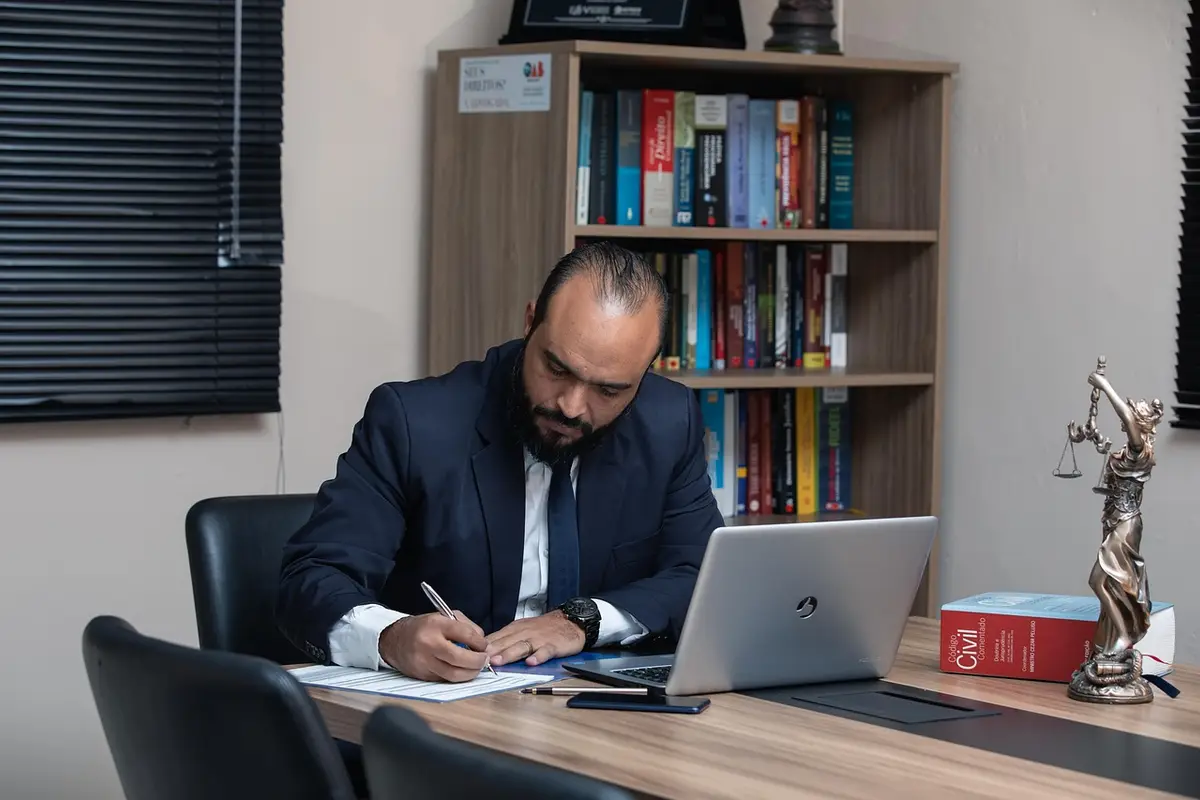
Photo: advogadoaguilar on Pixabay
The Fair Work Commission has introduced mandatory rules on generative artificial intelligence in workplace dispute proceedings, taking effect on 20 October 2026. The directives establish explicit disclosure and verification duties for employers, employees, and human resources teams preparing case material.
Under the Commission's guidance note, anyone who uses generative tools to draft applications, written submissions, witness statements, or other formal filings must openly declare that artificial intelligence was used and specify the way it was applied. The tribunal introduced the requirements to reduce the risk of inaccurate facts, invented court citations, or fabricated evidence reaching formal hearings.
Mandatory human verification
The guidance establishes three core requirements for parties involved in Commission matters:
- A clear written declaration detailing whether generative tools assisted in preparing the document and explaining how they were used.
- A formal confirmation that a person personally verified every statement of fact, checked that every cited case and statute exists, and confirmed each quote matches its original source.
- An assurance that witness statements and statutory declarations represent the actual knowledge and words of the individual witness, signed to the best of their knowledge.
The Commission explicitly ruled out relying on automated checking. Asking a software assistant or another language model to verify a draft does not meet the requirement; a real person must manually review the underlying material.
Routine administrative uses, including checking basic spelling or grammar and adjusting document formatting, fall outside the new disclosure requirements. However, professional representatives and workplace lawyers must also provide direct hyperlinks to any case law cited in their documents. The guidance treats internal human resources staff who act on behalf of businesses as professional representatives.
What this means for Australian businesses
Small and medium business owners frequently handle workplace disputes, unfair dismissal claims, or enterprise matters without outside legal counsel. If your company relies on software tools to draft responses or review employee claims, these new requirements directly affect your processes.
First, check your internal dispute process. When drafting formal responses or collecting statements about staff conduct, you can still use language models to organise notes or polish tone. However, an internal manager must check every date, policy extract, and factual claim against company records before sending anything to the tribunal.
Second, make sure human resources staff understand the disclosure obligations. Filing automated paperwork without checking will expose businesses to scrutiny from the Commission and potential cost orders if citations or evidence turn out to be false.
Third, keep original statements intact. Witness statements should document what an employee or supervisor actually observed in their own words, rather than an artificial rewrite that could be questioned during a hearing.