
Australia · · Researched and written by TissoAI
Australian Academy of Science proposes 2.5 per cent levy on AI data centre revenue
The Australian Academy of Science has called for a 2.5 per cent levy on data centre operators and AI providers to fund local supercomputing and research.
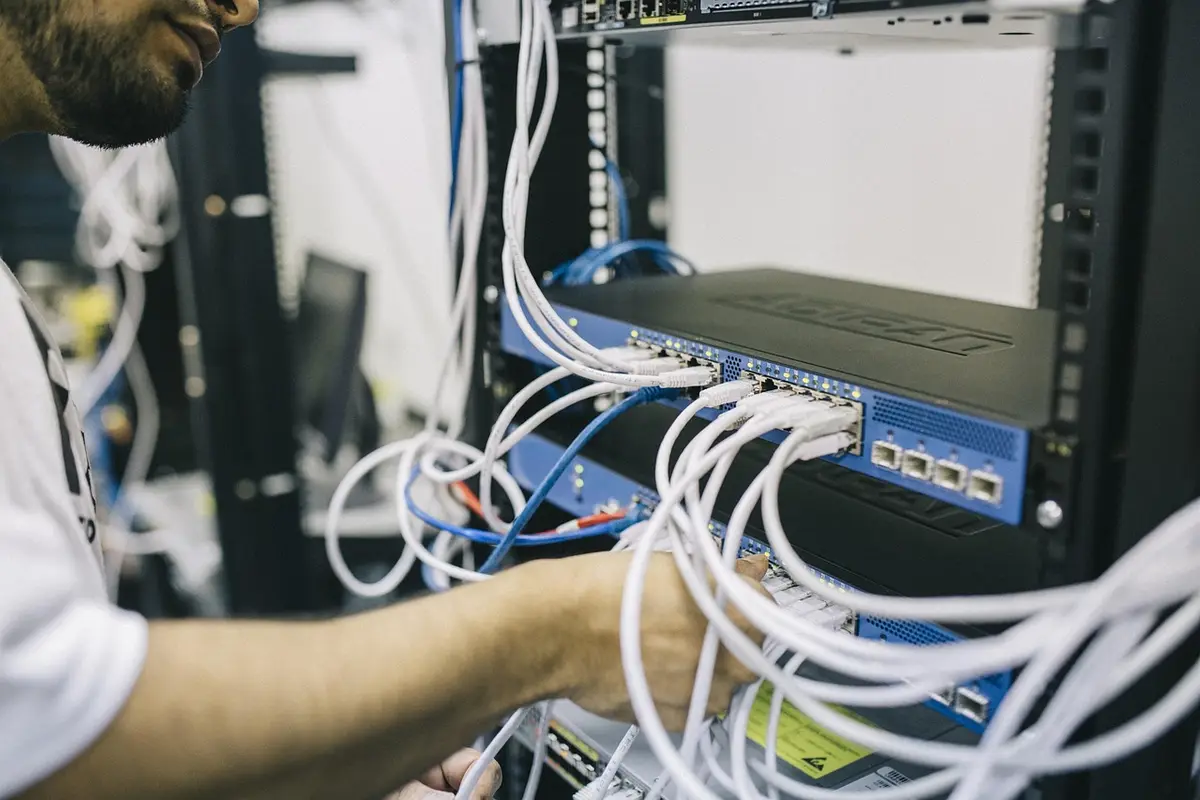
The Australian Academy of Science has submitted a proposal to the federal parliament calling for a 2.5 per cent levy on revenues earned by data centre operators, hyperscalers and artificial intelligence providers operating in Australia.
In its submission to the parliamentary Joint Select Committee on Artificial Intelligence, released on Tuesday, the organisation warned that Australia risks shouldering the environmental and utility burdens of server farms without securing domestic economic gains. The Academy argued that while large facilities consume large volumes of local water, electricity and land, intellectual property and commercial profits continue to flow overseas.
Funding domestic supercomputing and safeguards
The proposed mechanism takes inspiration from Australia's existing rural research and development levies. Revenue collected from the charge would go into a dedicated fund for domestic high-performance computing, sovereign supercomputers and local artificial intelligence research.
The organisation previously recommended that the Australian Government invest 200 million dollars annually over a ten-year horizon to upgrade national scientific computing capabilities. Academy fellow Sally-Ann Williams said the country faces a choice between becoming an active builder of artificial intelligence systems or remaining a passive host for foreign digital infrastructure.
Beyond funding, the Academy called for enforceable guardrails on high-capacity models. Under the proposal, technology firms testing or deploying complex systems locally would need to prove safety measures and report critical failures. The Academy's head of science policy and advice, Dr Hayley Teasdale, said that relying entirely on foreign systems exposes the local economy to external supply risks.
What this means for Australian businesses
While the 2.5 per cent levy is currently a policy recommendation rather than enacted law, parliamentary discussions around data centre rules and digital infrastructure are accelerating.
For small and medium enterprise owners, the debate points to several practical considerations:
- Cloud service pricing may see structural changes if federal lawmakers adopt infrastructure taxes, making it sensible to review vendor contracts and monitor potential cost pass-throughs from hosting providers.
- Reliance on overseas platforms remains a strategic exposure point, especially if foreign trade restrictions or service disruptions affect access to foundational models.
- Stricter reporting rules and safety obligations will likely filter down from foundation model creators to downstream commercial software, meaning businesses should document how their customer data interacts with third-party tools.
- Investment in domestic computational capacity could eventually expand access to local cloud infrastructure tailored to Australian legal and compliance standards.